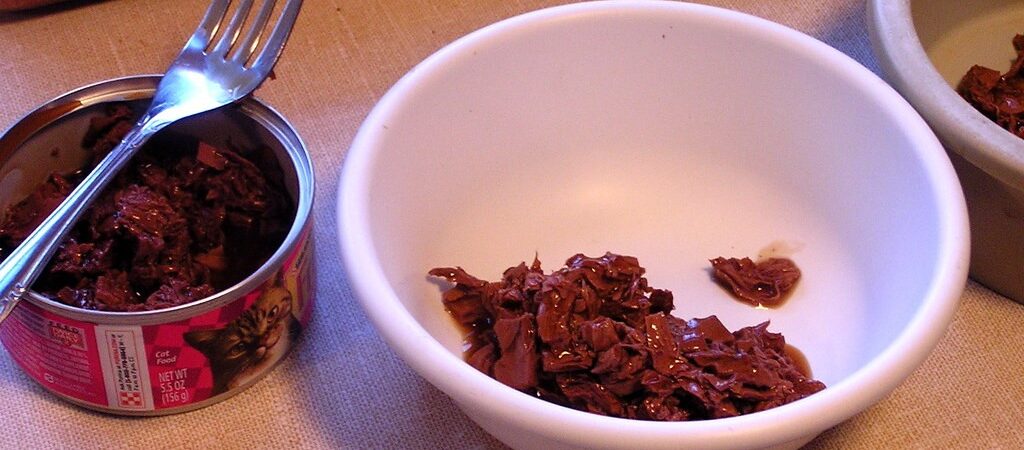
Wet cat food pulls in about 60,500 searches a month in the US, making it one of the most searched products in the whole pet category. The appeal is easy to understand: cats evolved to get most of their water from prey, and a can of pâté looks a lot more like that than a bowl of dry kibble does.
Why Moisture Matters for Cats
Cats have a naturally low thirst drive. Wet food is typically around 75% to 80% water, so a cat that eats mostly wet food takes in far more fluid every day than one that eats only dry. Extra water intake supports healthy kidneys and a healthy urinary tract, which is why vets so often suggest adding wet food. For more on this, see our guide to urinary care cat food.
Pâté, Chunks or Shreds?
Texture matters more than most owners expect. Pâté is smooth and easy to eat, good for kittens, seniors and cats with dental pain. Chunks and shreds in gravy suit cats that like to pick at their food. If your cat is fussy, a variety pack is the easiest way to learn what they prefer without wasting a whole case.
How to Read the Can
- A named protein first. Chicken, turkey or salmon should lead the list, not a vague “meat by-product”.
- “Complete and balanced”. Look for a statement that the food meets nutritional standards for your cat’s life stage. Without it, the can is a treat or topper.
- Calories per can. This is what actually decides portion size.
How Much to Feed
A typical 10 lb adult cat needs roughly 200 to 250 calories a day, but this varies with age, activity and body condition. Divide that by the calories on the can to get a starting portion, split it into two or three meals, and adjust based on your cat’s weight over a few weeks. Your vet can confirm the right target.
Mixing Wet and Dry
You do not have to choose. A common routine is wet food in the morning and evening with a small amount of dry food left out for grazing. Mixing keeps costs down and still delivers a good share of daily moisture.
Storage Tips
Cover opened cans and keep them in the fridge, and use within about three days. Let a refrigerated portion warm to room temperature before serving, since many cats turn their nose up at cold food. Do not leave wet food out for more than about an hour.
Quick Answers
Is wet food better than dry for cats?
Both can be complete and balanced. Wet food adds moisture, which many vets like for urinary and kidney health, while dry is convenient and often cheaper. Many owners feed a mix.
Can kittens eat wet cat food?
Yes, as long as it is labeled for kittens or for all life stages. Kittens need more calories than adults.
Why does my cat only eat the gravy?
Gravy is highly palatable. Try a pâté style, or mix a little gravy into the chunks.
Stock Up on Wet Cat Food
Our Wet Cat Food Pâté Variety Pack (12 x 3 oz) gives your cat a smooth, protein-rich meal in easy-open cans. Explore more in Cat Feeding & Litter.
Related Reading
- Urinary Care Cat Food: What It Does and Who Needs It
- Tofu Cat Litter: Is It Worth Switching?
- Top Searched Pet Keywords in 2026
Sources: International Cat Care, kwrds.ai. Featured photo by Muffet, CC BY.