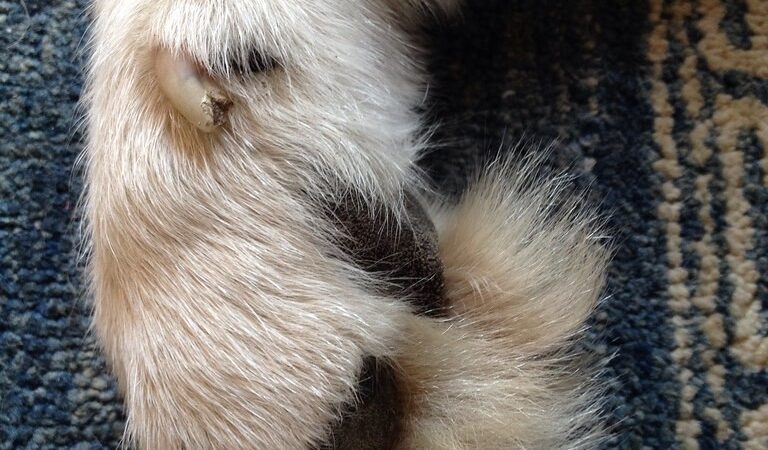
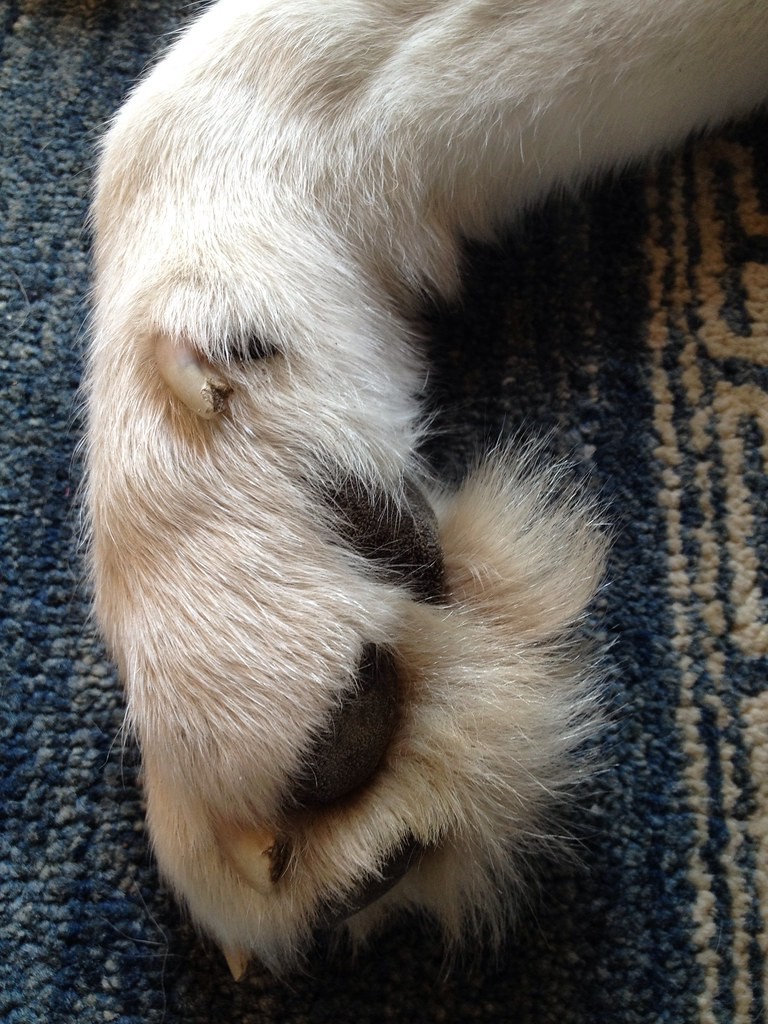
Your dog’s paws do more work than almost any other part of their body — carrying their full weight across pavement, gravel, grass, sand, ice, and everything in between. Yet paw care is one of the most overlooked parts of routine dog ownership. This guide covers what healthy paws look like, how to build a simple care routine, and how to catch problems before they become painful.
Why Paw Care Matters
A dog’s paw pads act like natural shock absorbers and insulation, but they’re still skin — they can crack, burn, dry out, and get infected just like any other part of the body. Left unchecked, minor paw issues can turn into limping, licking, chewing, and secondary infections that are far more expensive and stressful to treat than they are to prevent.
What a Healthy Paw Looks Like
Check your dog’s paws the way you’d check any part of their body for something unusual:
- Pads: smooth to slightly rough, no cracks, no excessive flaking
- Nails: trimmed short enough that they don’t touch the ground when your dog is standing
- Fur between toes: trimmed, not matted or overgrown
- Skin between pads: no redness, swelling, odor, or discharge
A Simple Weekly Paw Care Routine
- Inspect. Once a week, gently look between each toe and at each pad for cuts, debris, redness, or swelling.
- Trim. Keep nails and the fur between paw pads trimmed — overgrown fur traps moisture, dirt, and ice, which leads to irritation.
- Clean. Wipe paws after walks, especially in wet weather or on treated sidewalks, to remove dirt, salt, and allergens before your dog licks them off.
- Moisturize. A dog-safe paw balm helps prevent pads from drying out and cracking, especially for dogs walked frequently on pavement.
Our Paw Care collection covers the essentials for this routine — balms, wipes, and grooming tools sized for a quick weekly check-in rather than a big production.
Seasonal Paw Protection
Summer: Hot Pavement
Asphalt can reach far higher temperatures than the air around it. A simple test: press the back of your hand to the pavement for 7 seconds — if it’s too hot for your hand, it’s too hot for your dog’s paws. Walk early morning or evening in hot weather, or use dog boots for midday walks.
Winter: Ice, Salt & Cold
Ice-melt chemicals and road salt are common causes of cracked, irritated paws in colder months, and they’re toxic if licked off in any quantity. Rinse or wipe paws after every winter walk, and consider a paw balm or boots as a barrier layer.
See our Travel & Outdoor category for boots and outdoor gear built for exactly this.
Common Paw Problems & Warning Signs
- Limping or favoring a paw — check immediately for cuts, embedded debris, or swelling.
- Excessive licking or chewing — often a sign of irritation, allergies, or a yeast/bacterial infection between the toes.
- Cracked or bleeding pads — usually from heat, cold, or rough terrain; clean and protect, and keep activity light until healed.
- Redness, swelling, or odor between toes — a common sign of infection that often needs a vet-prescribed treatment, not just a balm.
If you see swelling, a foul odor, persistent limping, or a wound that isn’t improving within a day or two, skip the home remedies and get your vet involved. For grooming-related paw issues, our Dog Grooming and Dog Health & Wellness categories are a good next stop for day-to-day maintenance products.
Quick Answers
How often should I trim my dog’s nails?
Roughly every 3–4 weeks for most dogs, or whenever you hear nails clicking on hard floors.
Is paw balm actually necessary?
Not for every dog, but it’s genuinely useful for dogs walked often on pavement, in dry climates, or through winter salt — think of it as basic maintenance, not a luxury.
Can I use human lotion on my dog’s paws?
No — use a dog-specific balm. Many human lotions contain ingredients that are irritating or unsafe if licked.
More questions? Check our full FAQ.
The Bottom Line
Paw care doesn’t need to be complicated: a weekly look-over, trimmed nails and fur, a wipe-down after walks, and a good balm for dry or heavily-walked pads will prevent most of the problems dog owners run into. Browse our Paw Care collection to build a routine that fits your dog.